Frequently asked questions about perimeter security
What is perimeter security?
Perimeter security is the protection of the outer boundaries of a site, building or security-relevant area. Its goal is to detect, delay and enable an appropriate response to unauthorised intrusion, tampering or approaches at the earliest possible stage.
In professional security concepts, perimeter security involves far more than fences or barriers. It combines structural measures, detection technology, video surveillance, organisational processes and integration with control rooms or security management systems.
What is the purpose of perimeter security?
The purpose of perimeter security is to detect security-relevant events as early as possible and keep them controllable. This buys valuable response time before an intruder reaches sensitive areas, buildings or critical facilities.
It typically protects far more than the site boundary, supporting a multi-layered physical security concept. That includes monitoring driveways, fence lines, gates, outdoor areas, delivery zones and other transitions between public, semi-public and protected space.
What are the different types of perimeter security systems?
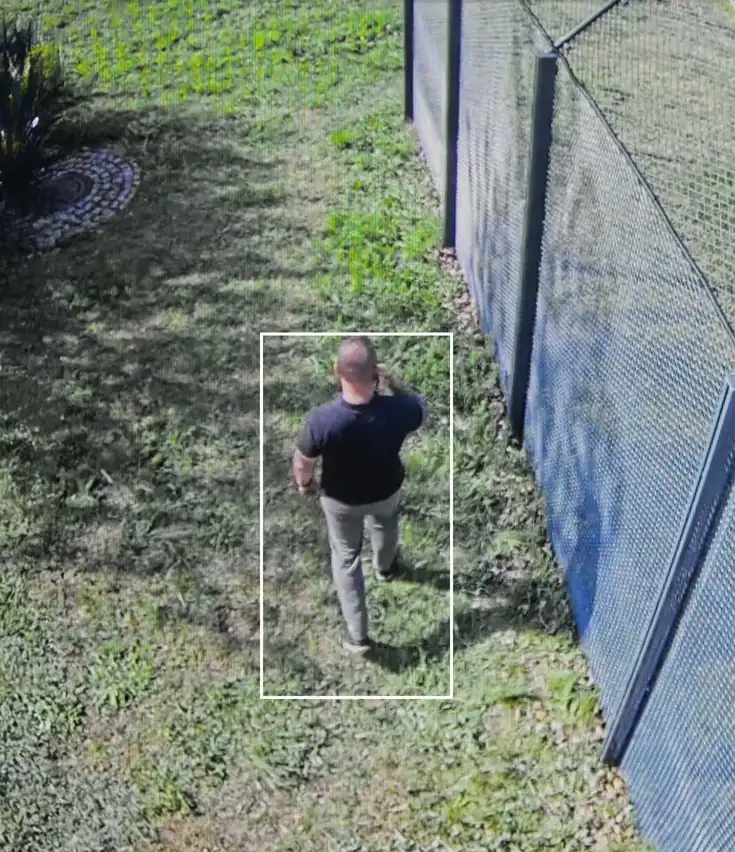
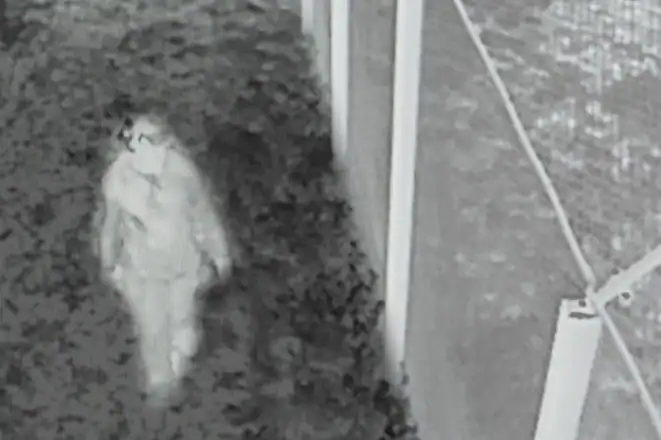
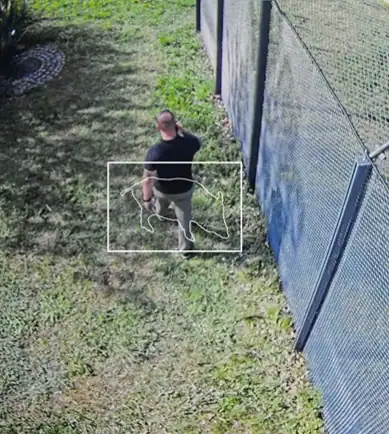
Depending on the site and its protection needs, a perimeter security system can combine several measures. These range from physical barriers such as security fences, gates, bollards or turnstiles to technical detection systems — fence sensors, ground sensors, radar, LiDAR, thermal imaging cameras, IP-based video surveillance and video analytics. Together these often form a perimeter intrusion detection system (PIDS).
In security-critical environments, these systems are usually combined with lighting, audio deterrence, automated alarm processes, access control and a security control room. What matters is not any single technology but the coordinated interplay of deterrence, detection, assessment and response.
Why is perimeter security important?
Perimeter security matters because it makes threats visible not at the building or critical facility, but already at the outer boundary. That allows events to be assessed sooner and countermeasures to be initiated with far greater precision.
It’s especially relevant to data center security and to energy suppliers, industrial facilities, logistics sites and other operators of critical infrastructure. There, an incident at the site boundary can affect operational safety, security of supply or business continuity. The right measures always depend on the specific protection needs, the threat level and the relevant regulatory requirements.
How do you integrate perimeter security into a physical security concept?
Perimeter security is typically built in as the outer protection zone of a zone-based physical security concept. It complements additional layers such as access control, video surveillance, intrusion detection, asset protection, a security control room and defined intervention procedures.
The technical systems can be consolidated through central platforms such as Physical Security Information Management (PSIM) or a Video Management System (VMS). This creates a seamless process from detection through verification and alarm assessment to operational response.
How does planning a perimeter security concept work?
Planning starts with a structured analysis of the site, its protection needs, the threat level, operational processes and the existing security architecture. This determines which areas need protecting, which events need detecting and which responses need to be enabled.
On that basis, e-shelter security develops a vendor-independent perimeter security concept covering system selection, engineering, installation, integration into existing security platforms and, where needed, connection to a security control room. The focus is always a risk-based, end-to-end concept that brings structural, technical, organisational and operational requirements together.